- English | Русский
- About
- Courses
- Webinars
- Special Events
- 2026
- 2025
- 2024
- JVI Webinar: Income Convergence Through EU Integration: The Experience of Central and Eastern Europe
- JVI Annual Lecture: Labor Market Challenges in the Age of AI
- JVI Webinar: Data Adequacy Assessment and Data Provision to the Fund for Surveillance Purposes
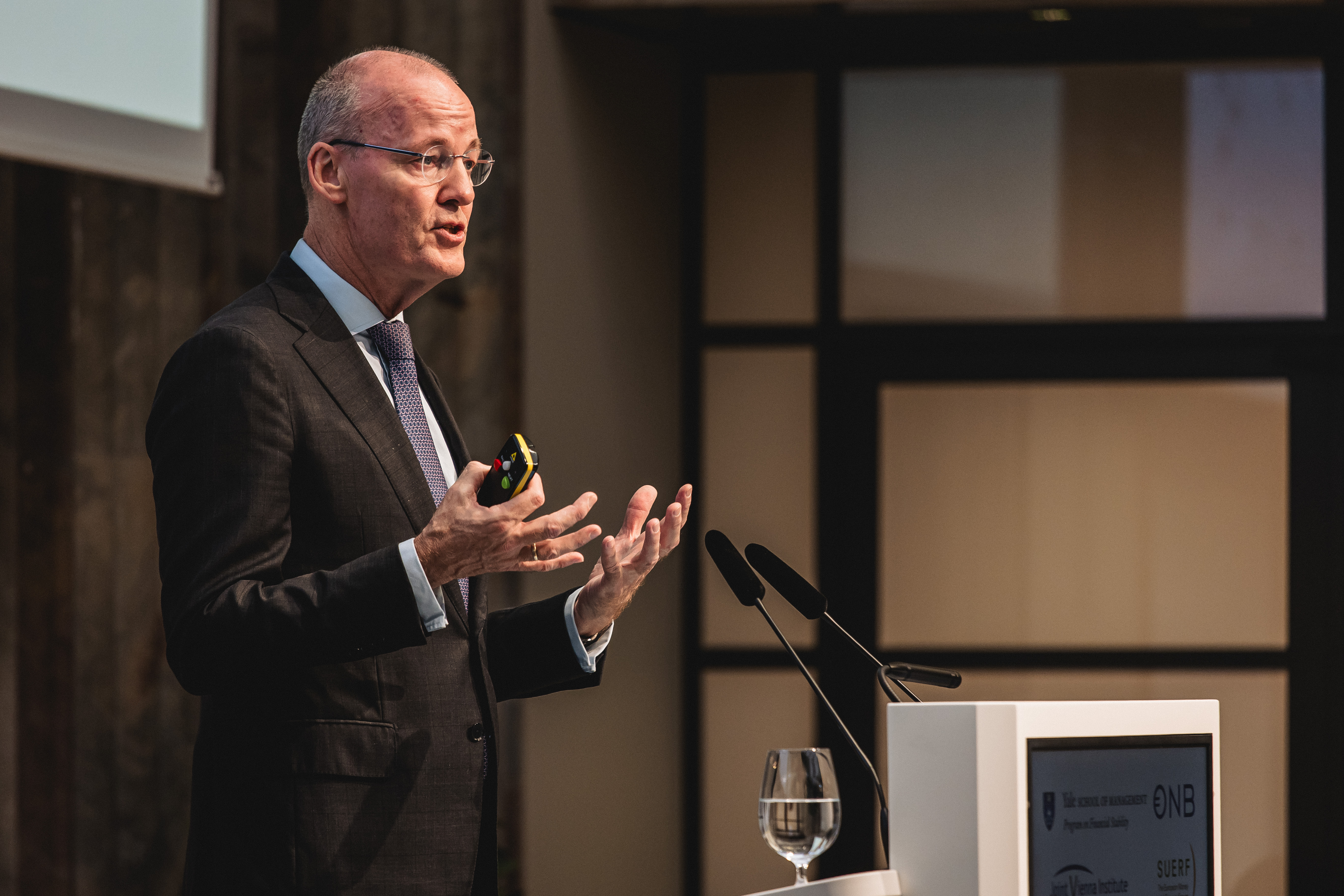
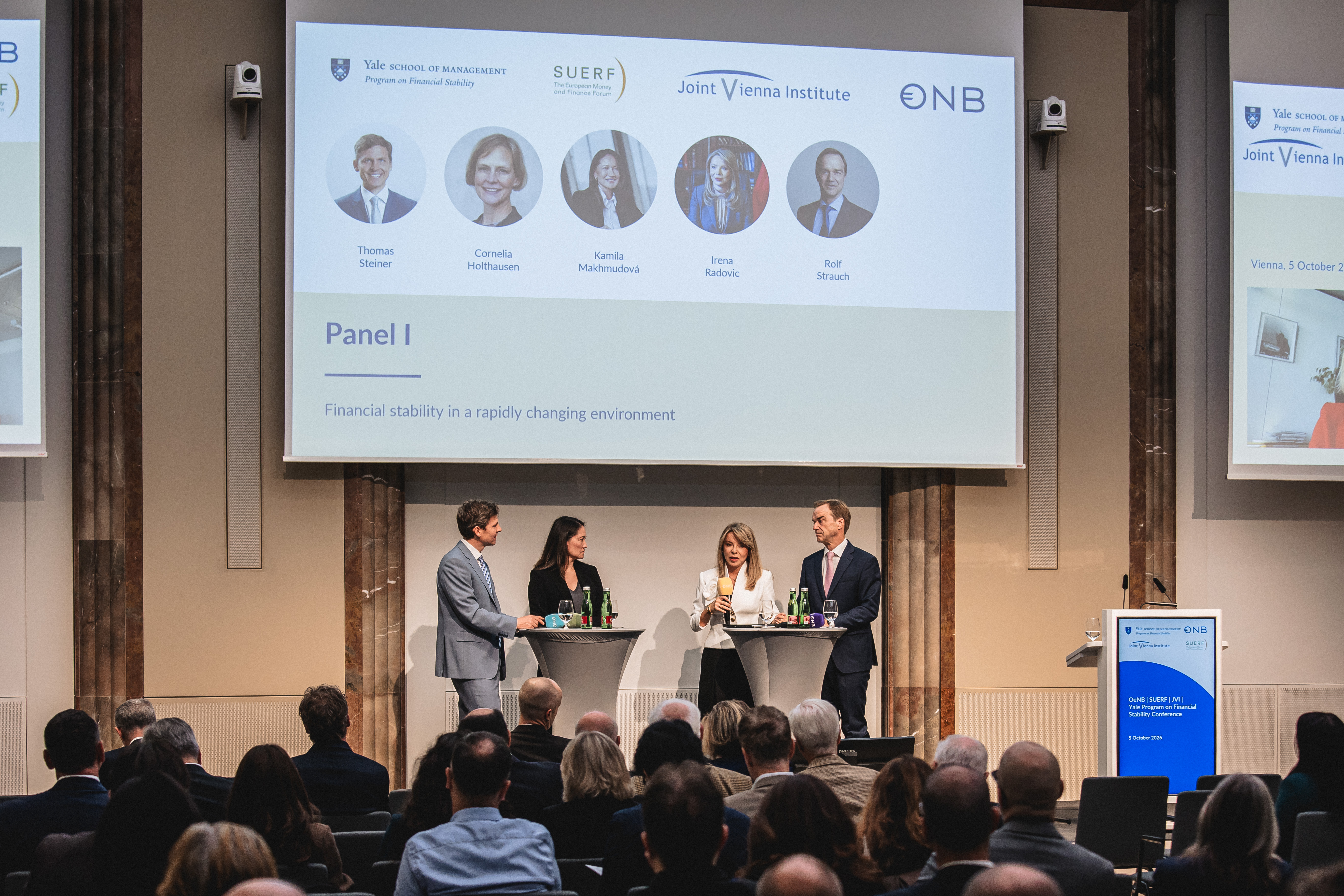
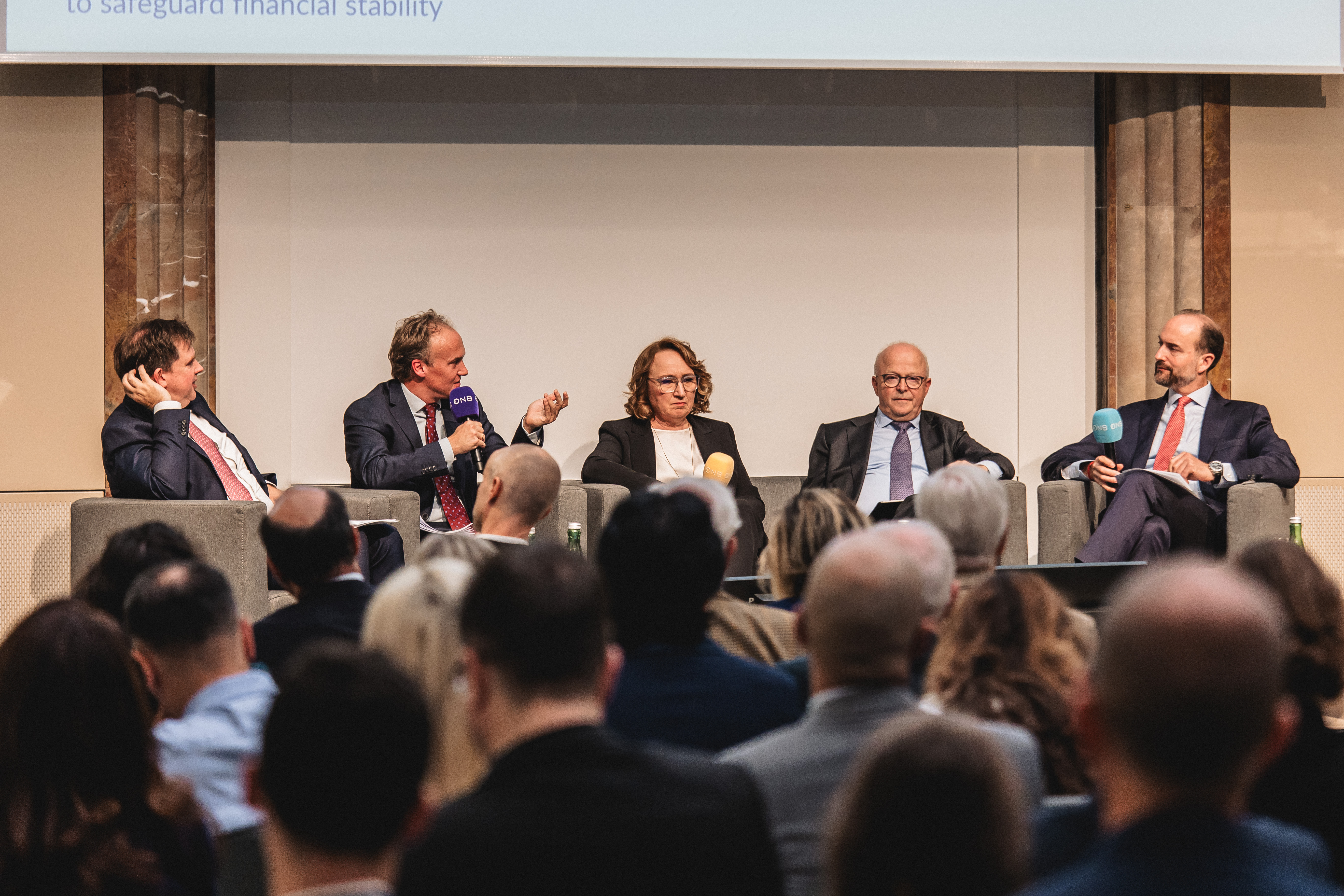
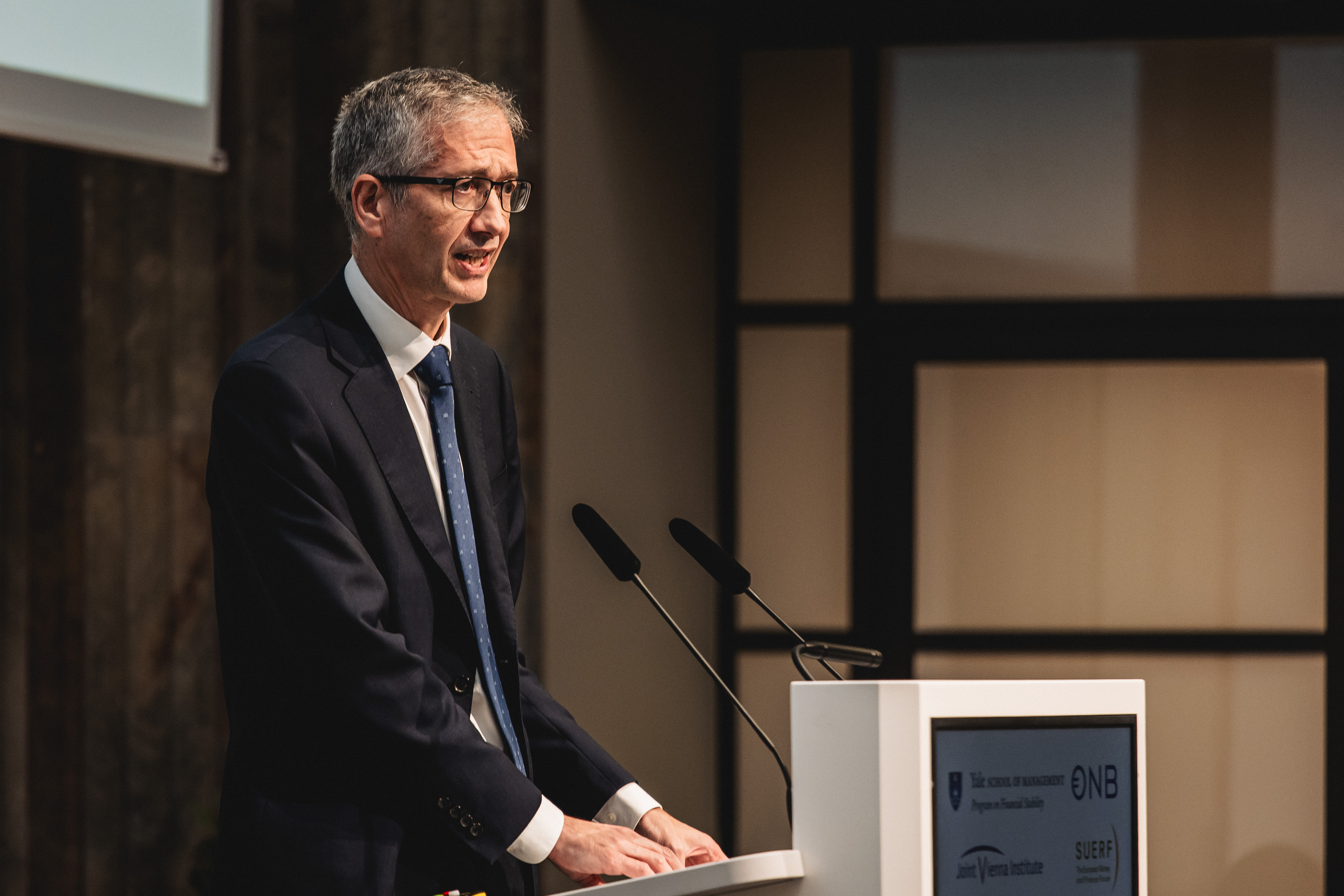
- OeNB-SUERF-JVI-Yale Program on Financial Stability Conference on Building Resilience and Managing Financial Crises
- JVI Webinar: Artificial Intelligence: Implications for the Future of Work
- JVI Webinar: Climate Change Mitigation and Policy Spillovers in the EU’s Immediate Neighborhood
- JVI Webinar: Greening EU Fiscal Rules
- JVI Webinar: Legal Aspects of Digital Assets and Services
- 2023
- JVI Seminar: Will inflation persist amid tight labor markets in CESEE?
- JVI Webinar: Transforming Public Finances Through GovTech
- JVI Annual Lecture: The Macroeconomics of Aging Populations
- JVI Webinar: Towards Positive Neutral Countercyclical Capital Buffer Rates in the JVI Region
- JVI Webinar: Geopolitics and Financial Fragmentation: Implications for Macro-Financial Stability
- JVI Webinar: Greening monetary policy in times of high inflation
- JVI Webinar: EU fiscal rules: An assessment of trends and prospects against the backdrop of the ongoing economic governance review
- JVI Webinar: Taxing Crime – A Whole-of-Government Approach to Fighting Corruption, Money Laundering and Tax Crimes
- 2022
- JVI Webinar: Monetary policy challenges inside and outside of the euro area
- IMF and JVI Joint Webinar: Rethinking Energy Policies in Europe Following the War in Ukraine: How to Support the Vulnerable and Speed up the Green Transition
- JVI Webinar: The Economic Outlook for Europe: Turbulent Times
- JVI Webinar: How digitalization shapes the future of taxation: trends, opportunities, and challenges
- JVI Webinar: Online Learning: Available Opportunities from the IMF
- Webinar on EU Membership and Convergence: The Experience of Central and Eastern Europe
- JVI Annual Lecture: Central and Eastern Europe after 30 years. Success and Challenges Ahead
- JVI Webinar: Shockwaves from the War in Ukraine
- CCAMTAC and JVI Joint Webinar: Regional Economic Outlook: Inflation Dynamics and Spillovers of US Monetary Policy
- JVI Webinar: How to Achieve Inclusive Growth
- Open Lecture on Measurement, Causes and Consequences of Economic Inequality: A Whirlwind Tour
- JVI Webinar: The Economic Outlook for Europe
- JVI Webinar: Rethinking European Labor Market Policies in the Post-Pandemic Era
- JVI Webinar: Construction, Real Estate and Climate Change
- JVI Webinar: Modelling Trade Policy Scenarios: Macroeconomic and Trade Effects of Restrictions in Cross Border Labour Mobility
- JVI Webinar: Countercyclical Properties of Fiscal Rules
- JVI Webinar: Firm Recovery and Covid-19: Productivity, Competition and the Digital Divide
- JVI Webinar: Climate webinar #8: Fiscal Risks and Climate Change in the United Kingdom
- 2021
- JVI Webinar: Panel Discussion on the Monetary Policy Challenges during the Pandemic in the JVI region
- ADB/ECB/JVI Webinar and Book Launch: Nonperforming Loans in Asia and Europe—Causes, Impacts, and Resolution Strategies
- JVI Webinar: Global and European Financial Stability Risks
- JVI Webinar: Corporate Insolvencies, Debt Overhang and Loan Guarantee Schemes During and After the Pandemic
- JVI Open Lecture: Pandemics and Inequality: From the Black Death to the Spanish Flu (and Beyond)
- JVI Webinar: The New Financial Soundness Indicators (FSIs)
- JVI Webinar: Sovereign Debt Challenges: Global Developments and IMF Approach
- JVI Webinar: International Capital Flows: Is This Tapering Different?
- JVI Open Lecture: Infrastructure in Central, Eastern, and Southeastern Europe: Benchmarking, Macroeconomic Impact, and Policy Issues
- JVI Webinar: Climate Webinar #7: Mitigation beyond Carbon Pricing
- JVI Virtual Annual Lecture: Will Corporate Bankruptcies Rise Following the Pandemic, and What can be Done About it? A Panel Discussion
- JVI Webinar: BEPS and the Way Forward
- JVI Webinar: The International Investment Policy Regime: The Need to Reform and Implications for Developing Countries
- Virtual Course on Policy Support to the Private Sector (September 27 – October 1, 2021)
- JVI Webinar: Fiscal Transparency in CESEE
- JVI Webinar: Climate Webinar #6: Green Finance - A Step towards a Greener Economy
- JVI Webinar: Diagnosing Corruption and its Costs
- JVI Webinar: Unwinding COVID-19 Policy Interventions for Banking Systems
- JVI Webinar: Adapting to the Digital Trade Era: Challenges and Opportunities
- JVI Webinar: Climate Webinar #5: Modelling Climate Change
- JVI Webinar: Climate Webinar #4: The Role of Financial Sector Oversight
- JVI Webinar: Climate Webinar #3: Putting a Price on Carbon
- JVI Webinar: Recovery and Growth in CESEE
- JVI Webinar: Global and European Financial Stability Risks
- JVI Webinar: The Impact of COVID-19 on Commercial Real Estate
- JVI Open Lecture: Human Capital Index – What Is It, and Why Should We Care about It?
- JVI Webinar: Medium-term Scarring and the Unequal Labor Market Impacts of the COVID-19 Recession: Patterns and Policies for the Recovery
- JVI Webinar: Second Climate Webinar: The Political Economy of Climate Action – From Public Opinion to Policy
- JVI Webinar: The JVI Launches a Webinar Series on the Economics of Climate Change
- JVI Webinar: World Trade Report 2020: Government Policies to Promote Innovation in the Digital Age
- JVI Webinar: The Impact of COVID-19 on Residential Real Estate
- JVI/CCAMTAC Webinar: Are the Remittance Flows another Casualty of COVID-19? The Macroeconomic Consequences of Remittances: The Impact of COVID-19
- JVI Webinar: COVID-19 - How to Record Government Policy Interventions in Fiscal Statistics
- JVI Webinar: Fiscal Rules – Quo Vadis?
- JVI Webinar: The State of Corporate Investment and the Financial System in CESEE after the Pandemic - Results from two Surveys
- 2020
- JVI Webinar: Resource-rich Countries’ Response to the Pandemic
- JVI-OenB Webinar: Monetary Policy Response to COVID-19 Pandemic in Central Europe
- JVI Webinar: Analytical Chapters of the Fall 2020 IMF World Economic Outlook
- JVI Webinar: Key Global and European Risks to Financial Stability
- JVI Webinar: The New Financial Soundness Indicators (FSI)
- JVI Webinar: COVID-19 and the Treatment of Restructured Loans for Financial Soundness Indicators (FSI) Compilation
- JVI Virtual Annual Lecture: A Panel Discussion on Strengthening Institutions to Promote an Inclusive and Smart Recovery
- JVI Webinar: Digitalization and Taxation
- JVI Webinar: Public Investment for the Recovery – Fiscal Monitor
- JVI Webinar: COVID-19 – The Challenges to Cybersecurity
- JVI Webinar: Central Bank Support to Financial Markets in the Coronavirus Pandemic
- JVI Webinar: Macrofinancial Considerations for Assessing the Impact of the COVID-19 Pandemic
- JVI Webinar: Borrower Relief Measures in Europe and Central Asia (ECA)
- JVI Webinar: Responding to COVID-19: Investment for Economic Recovery and Growth
- JVI Webinar: Collecting Taxes in Times of Crisis
- JVI Webinar: Responding to COVID-19: Expenditure Policies to Protect Livelihoods
- JVI Webinar: Pandemic Preparedness for Financial Institutions and Central Banks
- JVI Webinar: Responding to COVID-19: Mastering Cash & Debt Management Challenges
- JVI Webinar: Responding to COVID-19: Fiscal Rules and Fiscal Risk
- JVI Webinar: Responding to COVID-19: PFM Challenges
- JVI Webinar: April 2020 IMF Global Financial Stability Report & May 2020 ECB Financial Stability Review
- JVI Webinar: COVID-19 and the Macroeconomic Outlook for Europe
- JVI Webinar: Banking Sector Regulatory and Supervisory Response to Deal with the Impact of Coronavirus
- Independent Fiscal Councils: The Work, the Wins, and the Worries
- 2019
- Lifting Growth in the Western Balkans: The Role of Global Value Chains and Services Exports
- Analytical Chapters of the Fall 2019 IMF World Economic Outlook
- NPL Resolution in Asia
- Building More Effective Tax Systems—Major Conference on Medium-Term Revenue Strategies (MTRS)
- Connecting Europe and Asia
- Annual Lecture 2019
- Gender, Technology and the Future of Work
- The Cost-Efficiency and Productivity Growth of Euro Area Banks
- Presentation of IMF Paper: Corporate Taxation in the Global Economy
- Evidence on the Effects of Macroprudential Policies from a New Database
- Europe: What to do together? EU - Future Challenges
- Fiscal Policy for a Changing Global Economy
- The Role of Independent Fiscal Institutions in Fiscal Frameworks: The Dutch Case
- Conference: Balancing Fintech Opportunities and Risks
- Strengthening Infrastructure Governance — From Aspiration to Action
- The Taxation of Pensions: Issues, Concepts and International Experiences
- 2018
- Building a Better Banking Union: Financial Sector Policy Recommendations from the Euro Area FSAP
- October 2018 World Economic Outook
- Euro Area Monetary Policy: Lessons Learnt from the Recent Crisis
- Labor Force Participation in Europe
- Macroeconomic Workshop for MPs from the Western Balkans
- Labor Market Trends in the Western Balkans
- Annual Lecture 2018
- The New Silk Road Project
- Second Generation Fiscal Rules: Balancing Simplicity, Flexibility, and Enforceability
- April 2018 World Economic Outlook
- Toward a Comprehensive Rules-Based Macro-Fiscal Framework
- 2017
- Financial Stability and Financial Sector Policies in Denmark
- Euro Area Monetary Policy: Consequences for Emerging Europe
- Book Presentation: Fiscal Politics
- JVI 25th Anniversary Conference
- Bridging of EU and Eurasian Economic Union
- IMF Fiscal Monitor April 2017: Achieving More with Less
- World Economic Outlook April 2017
- Second Meeting of JVI Training Directors
- Pre-2017
- News
- Alumni
- Ecampus